
Senior Real Estate Specialist (SRES®) in Sioux Falls: The Complete 2025 Guide
What an SRES® designation actually means, why it matters for buyers and sellers over 50, and how to choose the right senior real estate agent in Sioux Falls.
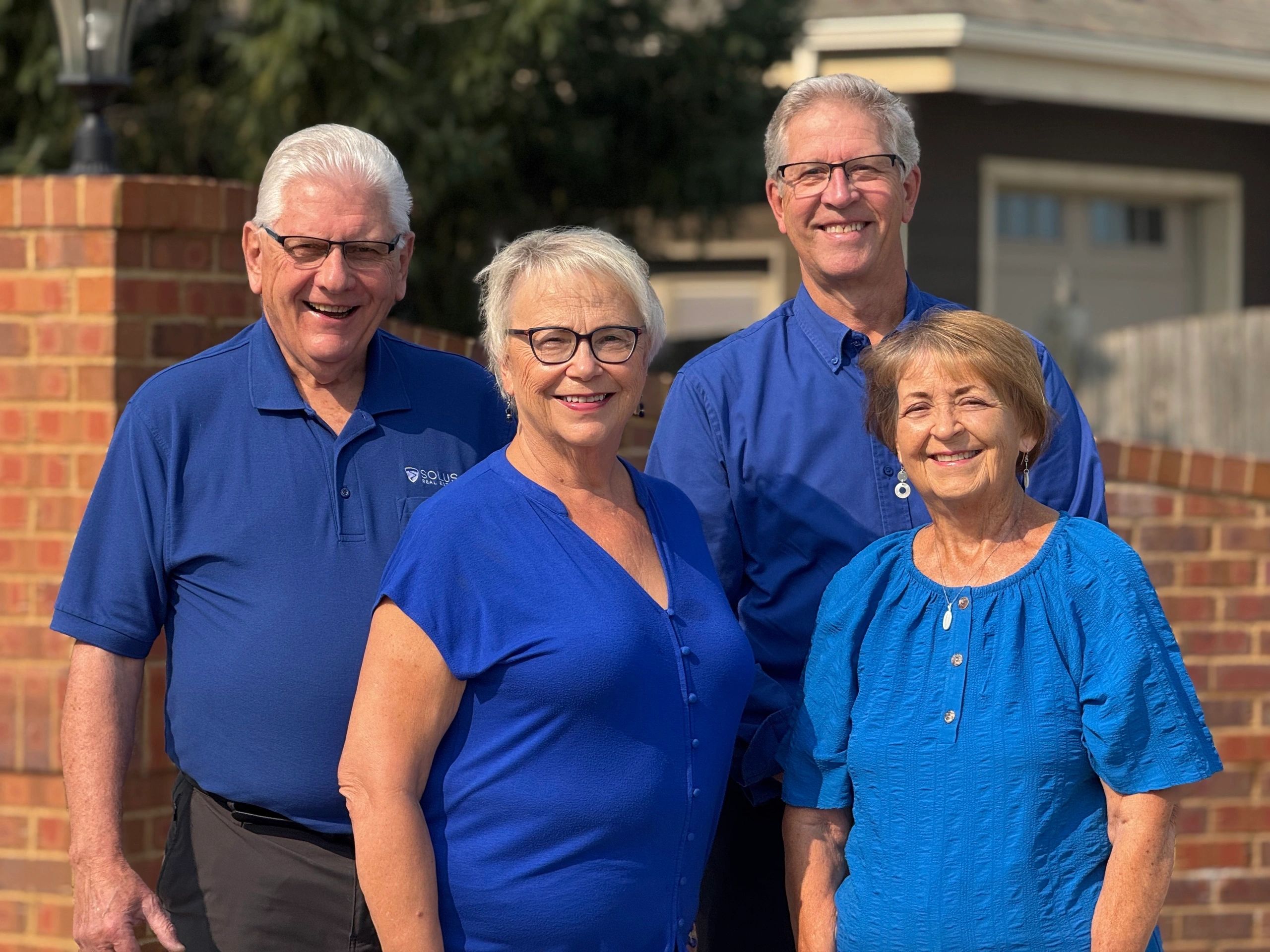
If you are 50 or older and thinking about buying, selling, or downsizing a home in Sioux Falls, the agent you choose will shape the experience more than the property itself. A Senior Real Estate Specialist — known by the credential SRES® — is trained to work with the financial, emotional, and logistical realities of a later-life move. This guide explains exactly what an SRES® is, what to expect when you hire one, and how to make sure you choose an agent who genuinely fits your situation.
We wrote this from the perspective of a Sioux Falls brokerage that has spent decades working with retirees, surviving spouses, adult children helping aging parents, and snowbirds splitting time between South Dakota and warmer states. The principles apply nationally, but the examples are local.
What is a Senior Real Estate Specialist?
The SRES® designation is awarded by the SRES Council, an arm of the National Association of REALTORS®. To earn it, an agent must already be a licensed REALTOR®, complete a multi-day course focused on serving clients age 50+, and commit to continuing education in topics that affect older adults.
The curriculum is not about selling houses. It is about the full picture surrounding a senior move: reverse mortgages, Medicare and Social Security implications of relocation, the difference between independent living, assisted living, and continuing care communities, estate and tax considerations, family dynamics, and the cognitive and physical realities that change how a home should function.
In practice, an SRES® agent is a real estate professional who has chosen to specialize. The same way you might prefer an orthopedic surgeon over a general surgeon for a knee replacement, you would prefer an SRES® over a generalist agent for a transition that touches retirement income, health planning, and family relationships.
Why the SRES® designation matters more than it used to
Three forces have made senior-focused real estate expertise more valuable in the last decade.
First, Americans are living longer and staying in their homes longer. The average homeowner over 65 has been in the same house for more than 20 years. That means more emotional weight, more accumulated belongings, and more deferred decisions to work through when it is finally time to move.
Second, home equity is higher than it has ever been for this generation. For many seniors, the family home is the single largest asset in their estate. Mishandling the sale by a few percent can cost tens of thousands of dollars that were meant to fund the next chapter, a grandchild's education, or long-term care.
Third, the senior living landscape is far more diverse. Twenty years ago, the choice was a single-family home or a nursing home. Today there are patio homes, 55+ active adult communities, independent living apartments, continuing care retirement communities, accessory dwelling units near adult children, and a growing market of single-level rentals. Matching a person to the right option requires fluency in all of them.
A generalist agent can sell a house. An SRES® can help you decide whether selling is the right move at all, and what comes next if it is.
What an SRES® actually does differently
The distinction shows up in small moments more than big ones.
When we meet with a senior client for the first time, we plan for a longer conversation than we would with a younger buyer or seller. The first meeting is rarely about the house. It is about timing, family, finances, and what the next five to ten years should feel like. We come to your home if that is easier than driving to ours. We bring printed materials, not just digital, because some clients prefer paper. We slow down when discussing numbers and never assume a decision is final after one conversation.
We also bring a network of specialists that a typical buyer's or seller's agent does not maintain. Senior move managers who pack and unpack a home with you. Estate sale companies who know how to price decades of accumulated belongings. Elder law attorneys who can review a deed or trust transfer. Geriatric care managers who coordinate medical and housing decisions. Tax professionals who understand capital gains exclusions for primary residences and the tax basis step-up that surviving spouses are sometimes unaware of.
And we coordinate with adult children, often across state lines. It is common for a sale we list in Sioux Falls to involve a son in Minneapolis, a daughter in Denver, and a parent in the home. We loop everyone in, manage the group communication, and keep family disagreements from derailing the transaction.
Working with families: the dynamic that matters most
Almost every senior real estate transaction is a family transaction. Even when an adult child is not financially involved, they are usually emotionally involved.
The most common conflict we see is mismatched urgency. One adult child is convinced the parent should have moved a year ago. Another believes the parent is fine and is being pushed. The parent feels caught in the middle. An SRES® is trained to be the neutral voice in the room — not advocating for the move, not advocating against it, just laying out the information so the family can decide together.
We also help families avoid two specific mistakes. The first is rushing a sale during a health crisis, which almost always leaves money on the table and creates regret. The second is delaying so long that the parent loses the cognitive capacity to participate meaningfully in the decision, which is harder on everyone.
If the conversation in your family feels stuck, a sit-down with an experienced SRES® is often the unlock. We have had many of these conversations, and we have specific frameworks for working through them.
How an SRES® approaches selling a long-time family home
When we list a home owned by someone who has lived there for 30 or 40 years, the work begins long before the sign goes in the yard.
We walk the home together at a comfortable pace and identify what is staying, what is going to family, what will be sold, donated, or hauled. We make sure nothing valuable is accidentally thrown out and nothing sentimental is overlooked. We coordinate a senior move manager if the client wants one. We bring in cleaners, painters, and small repair handymen from a trusted vendor list, and we manage them so the client does not have to.
Pricing is its own discipline. We use comparable sales, current inventory, and our read of the local market, but we also factor in time pressure, health considerations, and what the seller actually needs to net to fund the next chapter. We present the numbers in writing, in plain language, and we sit with you until every line item is clear.
Marketing matters more for a home that has not been listed in decades. Most homes from this generation were not built or updated with current photography in mind. We bring in professional photographers, sometimes a stager, and we write listing copy that tells the story of the home rather than rattling off square footage.
During showings and negotiations, we filter heavily. We do not bring unqualified buyers through your home. We screen offers for both price and closing certainty, because a slightly lower offer from a fully approved buyer often nets more than a higher offer that falls through.
How an SRES® approaches buying the next home
Buying after 55 is a different game than buying at 35. The criteria shift toward single-level living, accessibility, low maintenance, proximity to healthcare, walkability, and community. The financial picture shifts too — retirement income, Social Security, possible reverse mortgage strategies, and how much liquidity to preserve outside the home.
A good SRES® buyer's agent will tour homes with future mobility in mind, even if you are perfectly mobile today. We look at door widths, threshold heights, bathroom maneuverability, the slope of the driveway, the distance from the garage to the kitchen with grocery bags in hand. We notice things that a 30-year-old agent would not think to flag.
We also know the Sioux Falls market for senior-appropriate housing. We know which patio home developments have responsive HOAs and which do not. We know which 55+ communities have long waiting lists and which have immediate availability. We know which neighborhoods are walkable to the grocery store and which require driving for everything. That local knowledge takes years to build.
How to choose the right SRES® in Sioux Falls
The designation is necessary, but it is not sufficient. There are agents who hold the SRES® credential and rarely use it. Here is what we would look for, even if we were not the ones being chosen.
Look at recent transaction history. How many senior-led transactions has this agent closed in the last 12 to 24 months? Senior real estate is a discipline that atrophies without regular practice.
Ask about their vendor network. A real SRES® can name their preferred senior move manager, estate sale company, elder law attorney, and at least one geriatric care manager without thinking about it. If the answer is vague, the network is probably theoretical.
Ask how they handle family conversations. The answer should sound like someone who has been in many living rooms with three generations in attendance. If the answer focuses on the home rather than the people, keep looking.
Meet in person. Senior real estate is a relationship business. You should feel listened to, not pitched. If a first meeting feels rushed, that is the most accurate preview of the transaction you will get.
Finally, talk to a past client. A reputable SRES® will share names of recent senior clients who agreed to be references. The conversation with that past client will tell you more than any marketing brochure.
Common questions about working with an SRES®
Does it cost more to hire an SRES® than a regular agent? No. Commission rates are set by the brokerage and the market, not by the designation. You are paying the same and getting more.
Can an SRES® help if my spouse has passed away and I am selling alone? Yes, and this is one of the most common situations we encounter. We slow the process down, walk through paperwork carefully, and coordinate with the attorney handling the estate so nothing falls through the cracks.
What if I am only thinking about moving and not ready to commit? That is the ideal time to talk to an SRES®. A first conversation costs nothing, creates no obligation, and gives you information that lets you decide on your own schedule. Most of the families we help start the conversation a year or more before they actually move.
What if my adult children disagree about what I should do? An SRES® can hold a family meeting, present the financial picture, and serve as a neutral facilitator. We have done this many times and it almost always brings the family closer together rather than further apart.
The bottom line
The right Senior Real Estate Specialist will protect your equity, reduce your stress, and help your family make a decision together rather than apart. The credential is a starting point. Experience, local knowledge, and the willingness to slow down and listen are what make the difference.
If you are weighing a move in or around Sioux Falls and want a no-pressure conversation, we are here. We will come to your kitchen table, answer questions, and leave the timeline entirely in your hands.