
Why Older Homeowners Need Strategic Support When Selling
Why older sellers can leave money on the table — and the proactive steps that protect equity and produce stronger outcomes at closing.
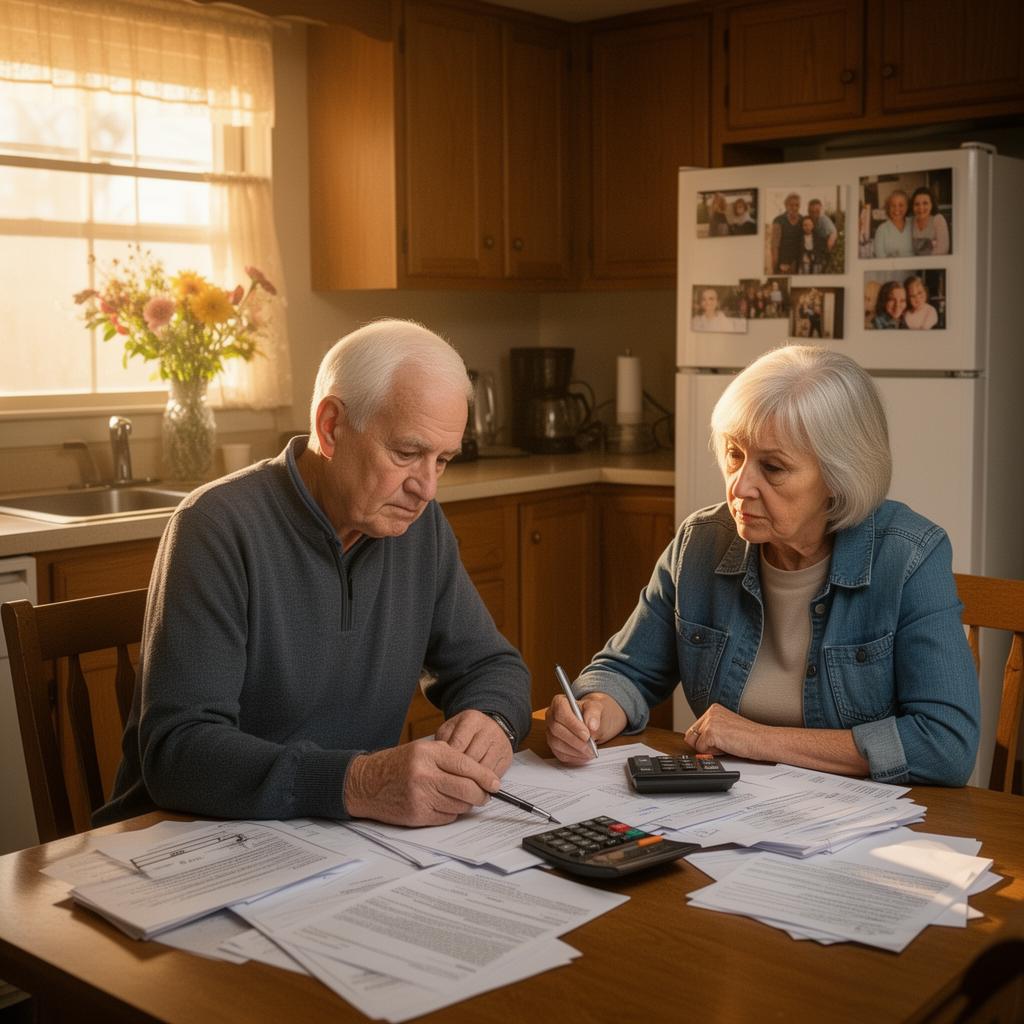
For many Americans, a home is the largest financial asset they own and a cornerstone of retirement security. After decades of mortgage payments and careful upkeep, older homeowners naturally expect to maximize proceeds when they sell. Those funds often support downsizing, retirement expenses, or a financial legacy for the next generation.
Research shows that older sellers can experience diminished returns compared with middle-aged homeowners. As homeowners age, both physical and emotional factors can influence sale outcomes — sometimes resulting in thousands of dollars in lost equity. Understanding these risks and taking proactive steps can help seniors protect their financial interests.
Why older home sellers may face challenges
**Home condition perception.** Homes naturally show signs of wear over time. Minor cosmetic issues — scuffed trim, faded paint, outdated finishes — may go unnoticed by long-term residents but can impact buyer perceptions. What feels like normal aging to the homeowner may appear as deferred maintenance to a potential purchaser.
**Emotional attachment.** Homes carry memories and significance. Long-term homeowners may struggle to view their property through a market-focused lens, making it difficult to objectively assess necessary updates or pricing strategies.
**Market knowledge and negotiation.** Real estate markets fluctuate. Without current insights, homeowners may list properties at prices that do not reflect buyer demand or competitive conditions. Negotiations require skill and experience that professional representation provides.
**External pressures and time constraints.** Life circumstances — such as health changes or transitions to assisted living — can create urgency. Rushing the process can limit options and reduce financial returns.
How to protect your home equity
**Make targeted improvements.** Small cosmetic updates often provide strong returns relative to their cost. Painting, landscaping, and minor repairs can improve a home's appeal without major investment.
**Choose the right real estate partner.** An experienced professional ensures access to market insights, pricing strategies, and negotiation expertise. For seniors in South Dakota, specialized senior real estate services provide support tailored to unique needs.
**Plan strategically.** Taking time to evaluate options and prepare the property for market conditions can dramatically improve outcomes. Rushed sales often result in lower offers and reduced flexibility.
Knowledge is protection
Home equity represents years of hard work and financial discipline. Protecting that investment requires informed decision-making and professional support. With the right guidance, home transitions can also be opportunities for growth and financial security.