
Why Sioux Falls Is One of America's Best Cities to Retire In
Taxes, healthcare, cost of living, climate, culture, and community — an honest look at what makes Sioux Falls a top retirement destination, and where it falls short.
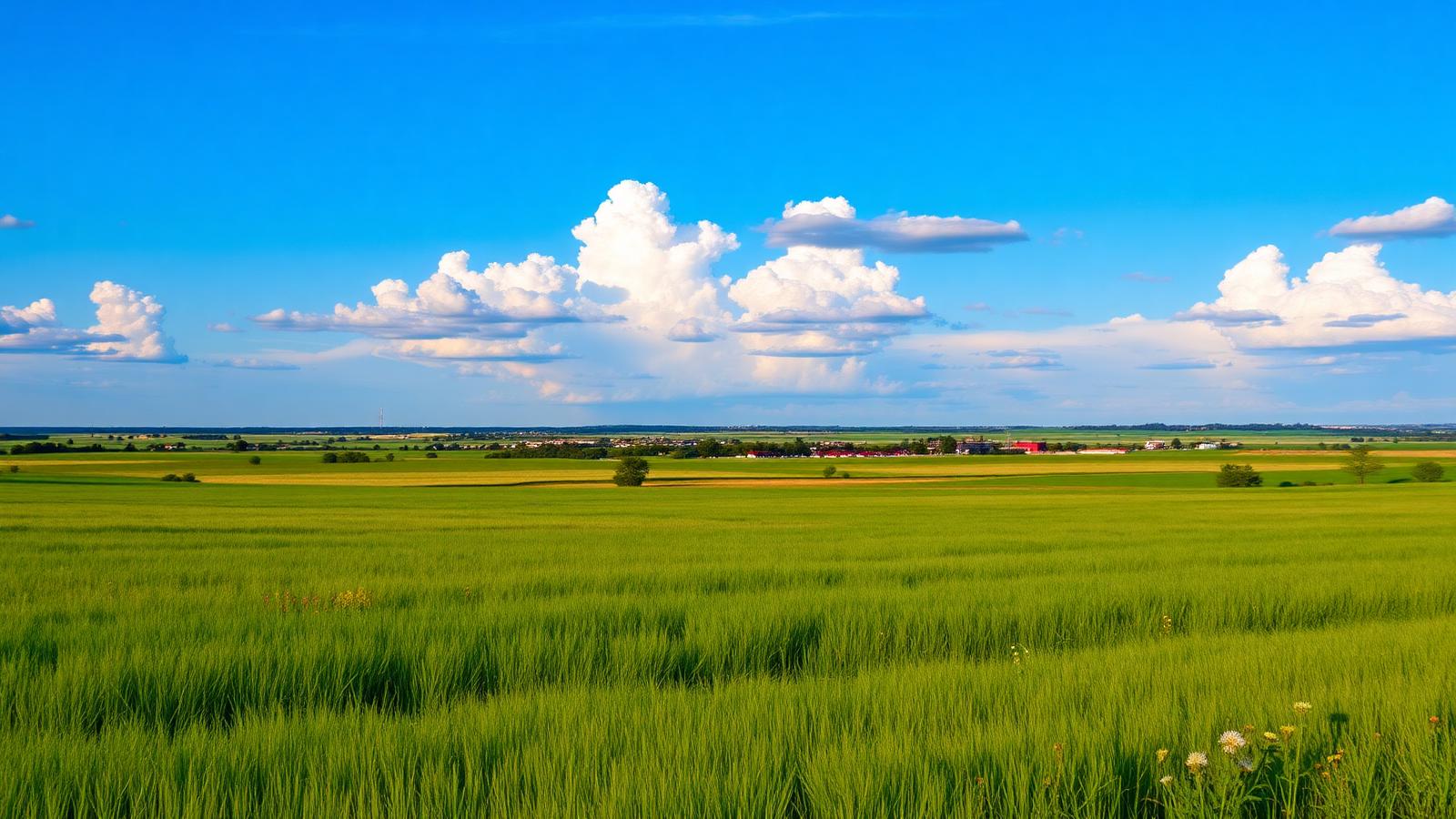
Sioux Falls keeps appearing on lists of America's best cities to retire in, and for once the rankings are not just marketing. The city has built, almost quietly, one of the most retirement-friendly environments in the country — strong healthcare infrastructure, no state income tax, manageable cost of living, low crime, a growing arts scene, and a real sense of community.
This article is an honest evaluation, not a brochure. We will go through what makes Sioux Falls genuinely appealing for retirees, what gets overstated, and where the city falls short. The goal is to help you decide whether Sioux Falls is the right city for your next chapter — or, if you already live here, whether to stay.
The tax picture: better than most people realize
South Dakota is one of nine states with no state income tax. For retirees, this is a meaningful annual advantage that compounds over decades.
What is not taxed at the state level: Social Security benefits, pension income, IRA and 401(k) withdrawals, capital gains, dividends and interest. For a retired couple drawing $80,000 in combined retirement income, the absence of state income tax can save $3,000 to $7,000 per year compared to states with moderate income tax rates. Over a 20-year retirement, the cumulative difference exceeds $100,000.
There is no estate tax or inheritance tax in South Dakota either. For families with significant assets, this matters at end-of-life and during gifting strategies.
Property taxes are a counterbalance. Because the state does not have income tax, it relies more heavily on property tax. Sioux Falls property taxes are higher than in some states with income tax but lower than in many high-cost coastal states. The South Dakota property tax freeze for elderly and disabled residents — which can lock in assessed value at a certain age and income level — meaningfully reduces this burden for many seniors.
Sales tax is 4.5 percent statewide with local additions, putting Sioux Falls in a moderate range. Groceries are taxed, which surprises some new residents.
On balance, the tax environment is genuinely retiree-friendly, and the longer you live in retirement, the more the no-income-tax advantage compounds.
Healthcare: stronger than the population would suggest
The most consistent surprise for retirees moving to Sioux Falls is the depth of the healthcare system. A city of around 200,000 metro residents would not typically support two major academic medical systems, but Sioux Falls does.
Sanford Health and Avera Health both have major campuses, full specialty coverage, and active research programs. Patients have meaningful choice between systems, which is unusual outside of much larger cities. Cardiac care, oncology, orthopedics, neurology, and geriatric medicine all have depth here that exceeds what you would expect in a similarly-sized market.
For retirees, this matters in three specific ways. First, you can usually get an appointment with a specialist within weeks rather than months. Second, complex care does not require travel to Minneapolis, Omaha, or Denver. Third, both systems are deeply integrated with home health, hospice, and senior living facilities, which simplifies care coordination over time.
The primary care landscape is similarly strong. Both systems run extensive primary care networks across the city. New retirees rarely have trouble establishing care.
The one limitation worth naming: Sioux Falls is not a top-three city for any single ultra-specialized procedure. For rare conditions or cutting-edge clinical trials, residents sometimes travel to Mayo Clinic in Rochester (about 4 hours away). For 95 percent of healthcare needs, Sioux Falls handles it well in-city.
Cost of living: meaningfully below national averages
The cost of living in Sioux Falls runs roughly 8 to 12 percent below the U.S. average, depending on the index. The components vary.
Housing is the biggest swing factor. As of 2025, the median single-family home in Sioux Falls is in the mid-$300,000s. A comparable home in Denver, Phoenix, or any coastal market costs two to three times as much. Patio homes and condos suitable for retirees range widely but generally fall between $250,000 and $500,000.
For retirees coming from higher-cost states, selling a long-time home and buying in Sioux Falls often releases significant equity. We regularly see clients sell a $600,000 home in California, Colorado, or Minnesota and buy a comparable or better home in Sioux Falls for half the price, freeing $250,000 to $400,000 for travel, gifting, or long-term care reserves.
Utilities run close to national averages. Winter heating is real but the building stock is well-insulated. Internet and cell service are good. Groceries cost slightly below average. Gas is consistently below the U.S. average.
The overall picture: a retired couple can live comfortably in Sioux Falls on meaningfully less than they could in a coastal market, without sacrificing healthcare, cultural amenities, or quality of housing.
Climate: the honest assessment
Sioux Falls has four real seasons and weather that includes meaningful winter. This needs to be said clearly because climate is the most common reason retirees ultimately leave the area.
Winters can be cold. January and February average lows in the single digits Fahrenheit and can drop well below zero. Snow accumulation is regular but not extreme. Wind is more notable than snow — Sioux Falls is on the prairie and the wind is a real factor.
Summers are warm to hot. July and August daytime highs commonly reach the upper 80s and low 90s, with thunderstorms common. Humidity is moderate.
Spring and fall are short but beautiful. Late September through October and late April through May are some of the most pleasant weather in the country.
For active retirees who enjoy seasons and do not mind winter, the climate is a feature. For retirees who specifically want to escape cold, southern destinations remain more appealing. Many Sioux Falls retirees split time — keeping a home base here for the spring, summer, and fall, and traveling to warmer climates for January and February. This "snowbird" pattern is well-established in the community.
Safety: consistently strong
Sioux Falls regularly ranks among the safer mid-sized cities in the country. Violent crime rates are below national averages. Property crime exists but is concentrated in specific areas, leaving most residential neighborhoods quite safe.
This is not a small factor for retirees. Feeling safe walking to the mailbox, leaving the garage open during a project, or driving home at night is meaningful quality of life. New residents often comment that Sioux Falls "feels safe" within a few weeks of moving here.
Community and culture: more than people expect
The stereotype of a midwestern city is friendliness without much else. Sioux Falls is friendlier than the stereotype and more cultured than expected.
The arts scene has grown substantially in the last 15 years. The Washington Pavilion hosts a strong calendar of performances, traveling exhibits, and local productions. The Sioux Falls Symphony performs throughout the year. The South Dakota Symphony Orchestra is widely respected for a city of this size. The downtown sculpture walk, gallery scene, and First Friday events are active and growing.
Dining has improved dramatically. Downtown alone has several restaurants that would be highly rated in any city. Coffee shops, bakeries, and craft breweries are abundant.
Outdoor recreation is excellent. The Falls Park is the city's centerpiece. The bike trail loop is over 30 miles and well-maintained. Big Sioux River, the Cathedral Historic District, and nearby state parks (especially Newton Hills and Palisades) offer real outdoor variety.
Religious community is strong and diverse. Sioux Falls has an unusual depth of churches across denominations, which matters for many retirees.
Volunteer opportunities are abundant. Senior centers, school mentorship programs, hospital volunteer roles, and nonprofit boards are all actively recruiting. Retired professionals often find that Sioux Falls offers more meaningful volunteer engagement than larger cities where these roles are competitive.
What is missing: Sioux Falls is not a major league sports city, does not have ocean or mountains, and the international travel options are limited. For some retirees these matter. For most, the local quality of life makes up for them.
Real estate market dynamics in 2025
The Sioux Falls real estate market in 2025 is healthier and more balanced than at any point in the previous five years.
Inventory has recovered. Buyers have choices, and the bidding-war reflex of 2021-2022 is gone. Well-priced homes still sell quickly, but the market rewards preparation and pricing discipline rather than urgency.
New construction continues, particularly in Tea, Harrisburg, and the southern edges of Sioux Falls. Single-level ranch designs, patio homes, and 55+ community offerings have grown meaningfully.
Interest rates have stabilized at higher levels than the early 2020s lows. Cash buyers have an advantage in negotiations. Buyers using financing should plan for monthly costs that reflect current rates rather than waiting for a return to historic lows that may not come.
For retirees relocating from higher-cost states, the value equation is exceptional. A $700,000 sale in another market can buy a beautiful single-level home in a desirable Sioux Falls neighborhood, fund the move, and leave substantial liquidity.
Specific neighborhoods retirees often consider
A few patterns emerge in where retirees ultimately settle.
The Hills and Prairie Hills offer established neighborhoods with mature landscaping and ranch-style homes, close to medical care. Prices are above the city median but resale is strong.
The Cathedral Historic District and surrounding downtown blocks attract retirees who want walkability, vibrant urban energy, and proximity to dining and culture.
Western Mall area combines established neighborhoods with proximity to the bike trail, healthcare, and shopping.
Tea and Harrisburg, just south of Sioux Falls, offer newer single-level homes, lower property taxes, and a more suburban feel. Strong choice for retirees wanting newer construction.
Brandon, just east of Sioux Falls, has a small-town feel with good parks and a steady inventory of accessible homes.
Each neighborhood has its own character. Spending a weekend in two or three of them before committing is worth the time.
The honest weaknesses
For balance, here is what Sioux Falls does not offer.
Diversity in restaurants, retail, and culture is improving but limited compared to larger metros.
Major airline hub access is limited. Direct flights are available to major regional cities, but international or specialty destinations usually require a connection.
The geography is flat. For retirees who want mountains, coast, or dramatic landscape, Sioux Falls is not the answer. The Big Sioux River and prairie are beautiful in their own right but require an adjustment.
Winter weather is a real factor. Snowbirds adapt; year-round residents accept it.
Professional sports are limited. Sioux Falls has minor league hockey and indoor football. Major league enthusiasts will need to travel to Minneapolis (4 hours) or follow remotely.
The local political climate skews more conservative than urban coastal markets. For some retirees this is welcome; for others it is an adjustment.
None of these are dealbreakers for most retirees. They are honest trade-offs.
Who Sioux Falls is right for
Sioux Falls works exceptionally well for retirees who want healthcare strength, financial efficiency, four real seasons, a strong sense of community, and the ability to be either near family or near family-equivalent community. It works well for snowbirds who want a stable home base with affordable carrying costs.
It works less well for retirees who specifically want warm-weather living year-round, ocean or mountain proximity, or the cultural amenities only major metros provide.
How to evaluate it for yourself
If you are considering Sioux Falls, spend time here before deciding. Visit for a week in different seasons. Tour neighborhoods. Walk downtown on a First Friday. Sit at a coffee shop and watch the rhythm of the city. Visit Falls Park. Drive to Brandon, Tea, and Harrisburg to see the suburban options.
If possible, attend a community event — a Pavilion performance, a SculptureWalk reception, a neighborhood farmers market. Talk to retirees who have made the move. They will be honest about both the appeal and the trade-offs.
Meet with a Sioux Falls financial advisor who specializes in retirement to model how your specific situation would translate to South Dakota tax and cost-of-living realities. The numbers often surprise people positively.
And if real estate is part of the picture, we are happy to help. We work regularly with retirees relocating to Sioux Falls, and we know the housing inventory that fits this stage of life. Whether you ultimately move here or not, a free conversation will give you better information than another ranking article.
The bottom line
Sioux Falls earned its way onto the retirement rankings honestly. The tax structure, healthcare, cost of living, safety, and quality of community are real. The climate and lack of dramatic geography are real too. For retirees whose priorities align with what Sioux Falls offers, it is one of the best cities in the country to spend the next chapter. For those whose priorities point elsewhere, that information is just as valuable.
The city does not need to be right for everyone to be right for many people. If you are one of them, the door is open.